Important Questions to Ask Yourself Before Getting Married

A couple of weeks ago, I was at a family gathering at my mother-in-law’s house. It was one of those slightly chaotic afternoons; too many people in one room, plates balanced on laps, conversations overlapping.
As you would expect at these sorts of events, the usual life updates started doing the rounds. Someone was discussing their recent engagement, someone else joked about the cost of weddings, and before long, the conversation drifted inevitably towards marriage itself.

I wasn’t really part of it at first. I was half-listening, picking at some food, until my great-uncle, a man who was married for nearly 60 years, got pulled into the discussion.
“What’s the secret then?” someone asked him, half-joking. “How did you manage to stay married that long?”
There was a bit of laughter, the kind of question people expect a light, throwaway answer to. But he didn’t respond straight away. He took a moment, as if he was actually thinking about it properly. Then he said, very calmly:
“Marriage isn’t hard because of big things. It’s hard because of all the small things you didn’t think to talk about”.
There wasn’t much immediate reaction, but the conversation noticeably slowed. It was the kind of comment that doesn’t sound profound at first, but lingers a bit longer than expected.
He went on to explain what he meant, without turning it into a speech. He talked about how most people assume compatibility means agreeing on the big milestones: whether you want to get married, whether you want children, and where you want to live. But in reality, those are only part of it.
The problems, he said, usually show up in the everyday details people assume will “just work themselves out.” How do you handle money without thinking about it? What do you expect from each other when one person is stressed or exhausted? How much independence do you need versus how much togetherness feels normal? Even something as simple as how decisions get made when you don’t immediately agree.
None of it was framed as dramatic incompatibility. In fact, his point was almost the opposite: most couples don’t fail because they’re fundamentally wrong for each other, but because they never explicitly discussed the assumptions they were each bringing into the relationship.
What stayed with me was how unremarkable it all sounded in isolation, and how significant it became when you considered it together. None of those “small things” feels important in the early stages of a relationship, especially when everything feels straightforward and aligned. But over time, they accumulate into the structure of day-to-day life.
He also made a point of saying something that stood out. People often prepare for the wedding, but not for the marriage. The wedding is visible, structured, and easy to plan for. The marriage is quieter, ongoing, and built almost entirely out of those unspoken expectations.
Later that evening, after I had returned home, I found myself thinking back over what he’d said. It wasn’t new information, exactly, but hearing it framed that way made it feel more concrete.
I started mentally listing out the kinds of things he was talking about. Not just the obvious ones, but the subtler questions people might never think to ask themselves before getting married. The kind of questions that maybe don’t come up naturally unless you make a point of directly asking them or thinking about them.
And so, I was inspired to write this article. To get down some of the advice that I (or perhaps my great-uncle) may give to couples thinking about getting engaged or tying the knot. I hope you enjoy it.
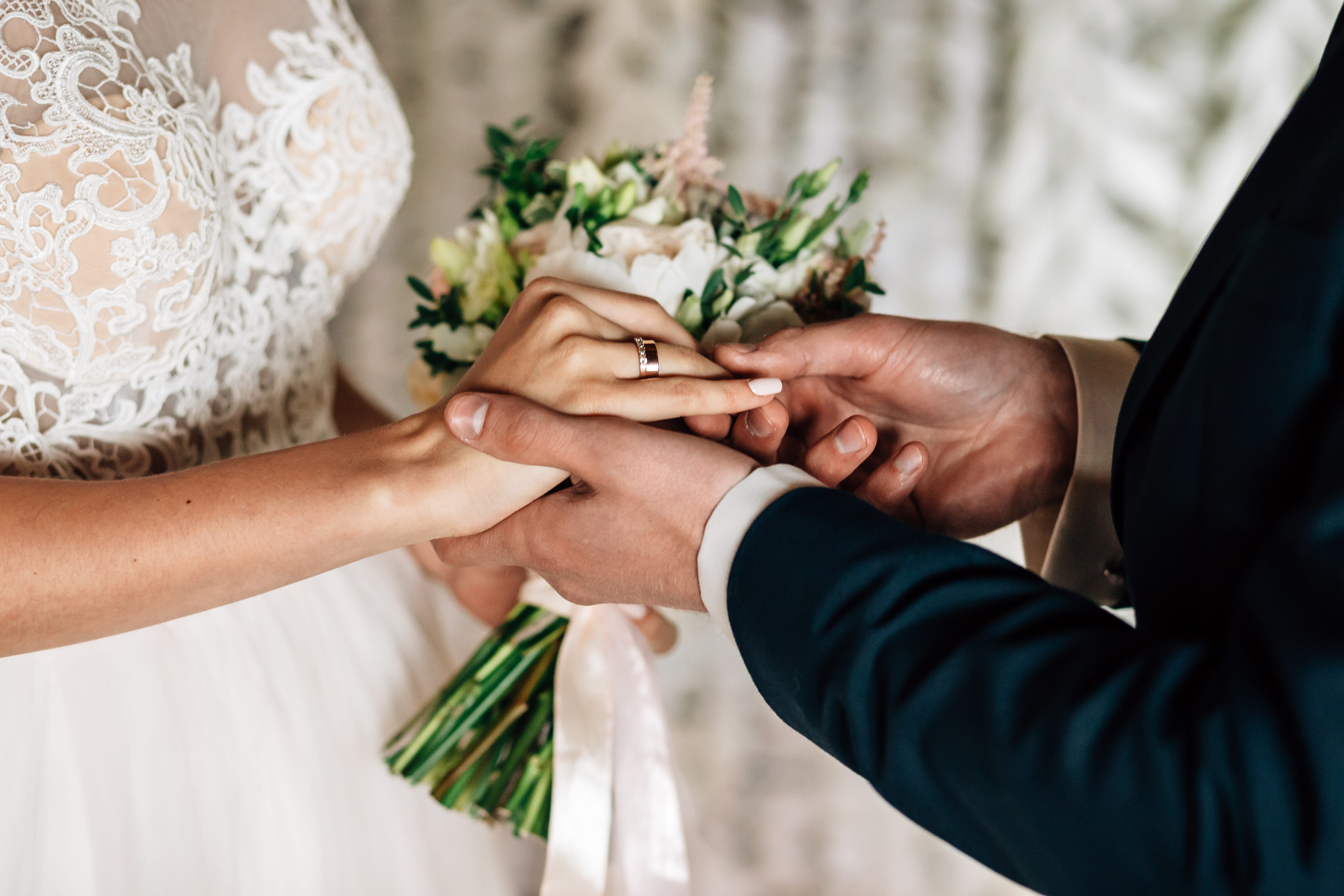
Deciding whether to get married is one of the biggest life choices you’ll make, and it’s natural to feel a range of emotions.
People often associate engagements, wedding planning, and the big day itself with positive emotions, but what a lot of couples don’t realise is that it’s perfectly normal to feel stressed, anxious, and apprehensive.
Getting married isn’t just a matter of having a big party, a cake, and signing a bit of paper; it’s a serious commitment, both personally and financially, especially given that the average cost of a wedding in the UK in 2026 is £20,604.
A 2024 study revealed that 72% of men and 54% of women experience feelings of regret after getting wed, and with 42% of UK marriages and between 40-45% of marriages in the USA ending in divorce, there are several important questions to ask yourself and discuss with your partner before you think about tying the knot.
Question #1 : “WHY are we getting married?”
This may feel like a surprising question to ask as you’re heading towards what is often referred to as ‘the happiest day of your life’, but it’s an important place to start.
In an ideal world, couples choose to get married because it’s something they both want; however, the reality is that there are a range of reasons why people wed – and not all of them are positive.
Couples facing relationship problems may think getting married will solve their issues, but this is very rarely the case. If your relationship has been more strained than healthy, you might choose to work on things together or with a professional before progressing to the next stage.
In addition to this, marrying due to family expectations, pressure from a partner, or simply because you want a wedding are not good enough reasons to contemplate walking down the aisle.
Question #2 : “Are we ready to get married right now? Do we actually want to get married?”
Following on from the point above, society and age-old traditions may lead us to believe that the natural progression of a relationship is an engagement, followed by marriage – but this certainly doesn’t have to be the case. It’s up to you as a couple to decide what your future looks like.
Many couples enjoy a long engagement spanning across years before they make the full commitment, and some couples choose to never get married.
Ask yourself: “Are we getting married because we want to, or because we feel it’s ‘the done thing’?”
As the saying goes, “If it’s not broke, why fix it?”
Question #3 : “Do our life goals align?”
As much as you may love your partner, feeling confident that your life goals align before you get married is crucial.
While you don’t have to have your whole life planned out, you may wish to make sure that you’re on the same page when it comes to things like living arrangements, whether or not you want children (or, if you have children already, whether you want any more), and expectations in regards to current or future childcare and employment set-ups.
Compromise is a key element of any relationship, however, neither you nor your partner should feel as though you must compromise on major life events, such as having children, especially where such decisions may be irreversible.
Conflicting life goals can put significant strain on a marriage; it’s better to have an open and honest conversation about your priorities, wants and needs before you take your relationship further. Doing so could save a lot of stress, heartache, regret and resentment further down the line.
Question #4 : “Do our financial ethics align, or can they be worked on?”
Everyone’s financial habits are unique to them, but sharing joint accounts with your partner, such as a mortgage or bank account, means adapting to the ways in which each other manages money.
If your partner tends to act frivolously with money while you’re more cautious, it may be a good idea to discuss and set financial boundaries before you think about getting married.
A big part of a healthy relationship is understanding your individual strengths and weaknesses and working together to overcome negative habits, such as reckless spending. However, if your partner has serious money issues that they’re not prepared to either work on or seek help for, you may decide to take a step back before deciding whether you want to commit to tying the knot.
It’s worth noting that while marrying someone will not financially link you to them, sharing a joint account with them will. Being financially linked to someone with a poor credit score could have a harmful effect on your own score. This, in turn, could negatively impact your chances of being considered for credit products, such as a credit card or mortgage, in the future.
Question #5 : “Can we afford to get married right now? What’s our budget?”
Of course, weddings don’t have to be expensive – although they often are.
A tight budget shouldn’t stop you from getting married if that’s what you both want, but it’s vital to be mindful of your financial situation. If you’re finding that your finances are causing you to have to rethink more of your dream day than you’d like, why not consider postponing the wedding a couple of years?
If you do decide to get married in the immediate future, setting an affordable and realistic budget – and sticking to it - is a priority.
Getting into unmanageable debt to pay for a wedding should be avoided at all costs.
Fortunately, from being selective with your dates to switching up traditions, there are many ways to get married on a budget.
Question #6 : “Is the wedding we’re planning really the wedding we want?”
So, you’ve given some thought to the questions above and feel confident that getting married is the right decision for you and your partner.
What’s next? The planning, of course – and there’s one final question to ask before you make things official: how do you envision your perfect day?
When planning a wedding, it can be easy to get caught up in the trap of traditions and other people’s opinions.
Your wedding day is about you and your partner, and you should never feel pressured to cater to the demands of others.
For example, if you’d love to jet off abroad for an intimate ceremony for your nearest and dearest, you shouldn’t feel as though you have to have a big wedding on home soil and invite the whole family.
Stay true to yourselves, and equally importantly, your budget.
The bottom line
This article isn’t intended to put you off getting married, but instead simply encourages couples to take the time to check in with themselves and one another before big decisions are made.
For all of the sobering statistics we’ve included, it’s important to remember that, happily, 58% of marriages in the UK stand the test of time, with many citing the big day as the best of their lives.